Common Causes of Sewer Backups in Beverly Hills, CA & Surrounding Areas
Sewer backups in Beverly Hills, CA and nearby communities such as Santa Monica, Pasadena, Hollywood, West Hollywood, Burbank, Glendale, and Culver City are more common than many property owners realize. Both residential and commercial buildings in these areas face unique plumbing challenges due to aging infrastructure, tree-lined streets, and heavy usage. Understanding the main causes of sewer backups can help homeowners and businesses take preventative measures, avoid costly damage, and maintain a safe, sanitary environment.
What causes sewer backups in residential properties?
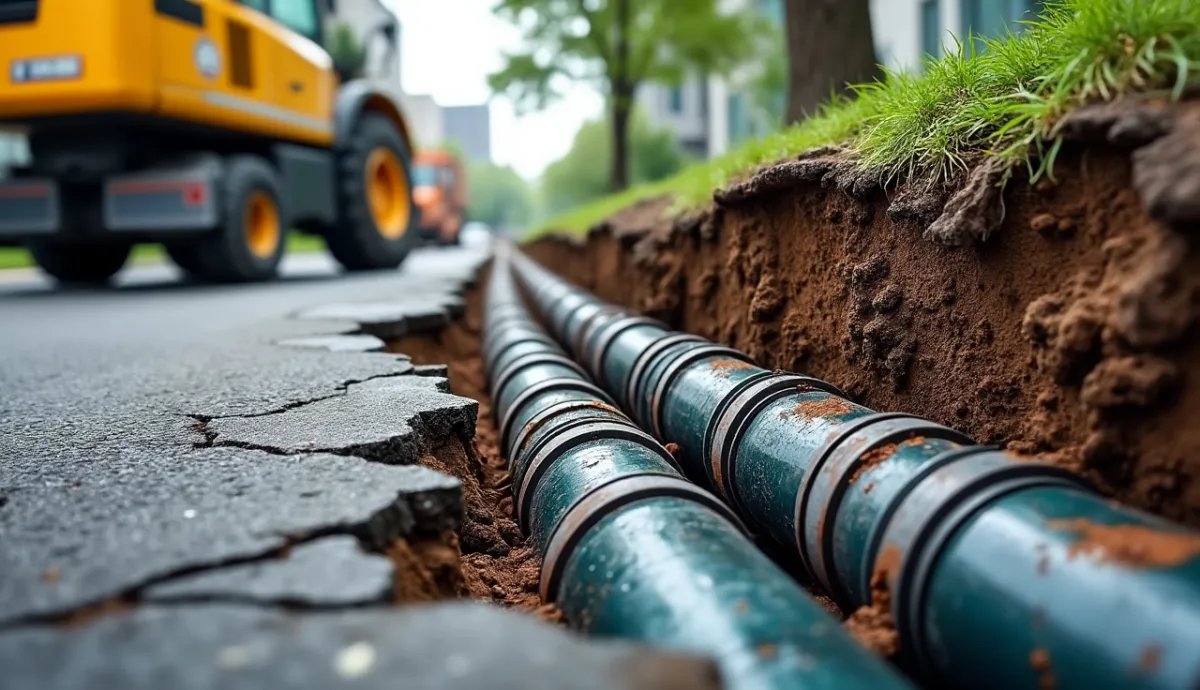
Sewer backups usually happen when wastewater cannot move properly through the drainage system. This blockage forces water and waste to flow back into sinks, toilets, or floor drains. Common reasons include grease buildup, debris accumulation, and damaged sewer lines. Older plumbing systems are often more vulnerable because pipes may crack or collapse over time.
How do tree roots damage sewer lines?
Tree roots naturally seek moisture, making underground sewer pipes an easy target. Small cracks in pipes allow roots to enter and expand inside the line. Over time, the roots grow thicker and restrict water flow, causing frequent clogs and backups. If the problem becomes severe, the pipe may eventually break and require professional repair or replacement.
Why does grease buildup lead to sewer blockages?
Grease and cooking oils may appear harmless when washed down the drain, but they harden as they cool inside pipes. This sticky buildup traps food particles and debris, gradually reducing the pipe’s diameter. As wastewater flow becomes restricted, pressure increases and backups become more likely. Regular disposal of grease in proper containers can help prevent this issue.
Can flushing improper items cause sewer backups?
Many sewer problems begin when non-flushable items are sent down toilets or drains. Products like wipes, paper towels, hygiene products, and cotton swabs do not break down easily in water. These materials can collect inside pipes and create stubborn blockages. Even products labeled as flushable may still contribute to long-term plumbing problems.
How do heavy rains affect sewer systems?
During periods of heavy rainfall, municipal sewer systems can become overloaded with excess water. When the system cannot handle the increased volume, wastewater may back up into homes and buildings. Poor drainage around a property can also worsen the situation. Installing backwater valves and maintaining drains can reduce the risk during storms.
Why are older sewer lines more likely to fail?
Older sewer systems often contain materials that weaken over time due to corrosion, shifting soil, and regular wear. Pipes may crack, collapse, or develop leaks that interrupt normal wastewater flow. Aging infrastructure is especially vulnerable to recurring blockages and root intrusion. Routine inspections help identify problems before they become serious.
Can poor sewer line installation create future problems?
Improperly installed sewer pipes may have incorrect slopes, loose connections, or poor-quality materials. These issues can prevent wastewater from flowing efficiently through the system. Over time, recurring clogs and standing water may develop. Professional installation is important to ensure long-term reliability and proper drainage performance.
How does debris buildup affect sewer drainage?
Debris such as hair, soap residue, dirt, and food particles can gradually collect inside drain lines. As this material accumulates, it narrows the passage for wastewater. Slow drainage is often an early warning sign of a developing blockage. Regular drain cleaning can improve water flow and reduce the chance of a backup.
What role does pipe corrosion play in sewer backups?
Corrosion slowly damages metal pipes from the inside, weakening their structure and creating rough surfaces where debris can collect. As corrosion worsens, pipes may leak or partially collapse, leading to reduced flow capacity. This condition often results in recurring drain issues and unpleasant odors. Replacing deteriorated pipes can restore proper system function.
How can homeowners prevent sewer backups?
Preventive maintenance is one of the best ways to avoid sewer problems. Homeowners should avoid flushing inappropriate materials, schedule regular sewer inspections, and address slow drains quickly. Keeping trees away from sewer lines and using professional drain cleaning services can also help maintain healthy plumbing systems. Early action often prevents costly repairs later.
Final Thought
Sewer backups in Beverly Hills, CA and surrounding areas such as Santa Monica, Hollywood, Pasadena, West Hollywood, Glendale, Burbank, and Culver City can be minimized with proper maintenance and awareness of common causes. By addressing root intrusions, grease buildup, and aging pipes early, property owners can safeguard their homes and businesses against costly repairs and health risks.
Frequently Asked Questions
How often should sewer lines be cleaned in Beverly Hills?
Most experts recommend a professional sewer cleaning every 18–24 months, especially in older homes or tree-dense neighborhoods.
Are hydro jetting services safe for old pipes?
Yes, when performed by licensed technicians. Hydro jetting is safe for most pipes, but very fragile or collapsed lines may need repair or replacement instead.
Can homeowners use chemical drain cleaners for sewer backups?
It’s not recommended. Chemical cleaners may temporarily clear clogs but can corrode pipes, worsen blockages, or harm the environment.
What should I do if I notice sewage backing up in multiple drains?
Stop using water immediately and call an emergency sewer cleaning service. This usually signals a main line blockage that needs urgent attention.
Does homeowners insurance cover sewer backup damage in Beverly Hills?
Standard policies typically don’t cover sewer backups, but many insurers offer optional add-ons for this protection. Homeowners should review their policy or ask their provider.
Contact Us
Terms & Conditions
Privacy Policy